What To Ask A Fibreglass Artist Before Signing A Brief
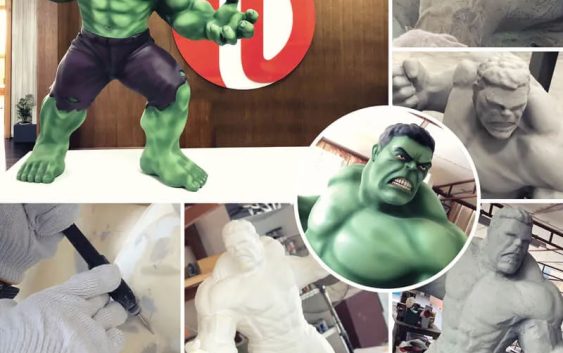
Fibreglass is a wild and wonderful material. It can become almost anything from a giant ice cream cone to a sleek piece of modern furniture. This flexibility makes it a top pick for creative projects that need to last a long time.
Getting a project right requires clear talk between you and the maker. Here is how to handle your bespoke fibreglass art installations.
Can you show me similar past work?
Every artist has a specific style and skill level. Some are great at smooth shapes while others love tiny details. Ask to see photos of things they have made before that look like what you want. This helps you see if they can handle the size and look of your project. If they have done it before, they will know the tricks to make it look great.
What is the total cost and what does it include?
Nobody likes a surprise bill at the end. Ask for a full breakdown of the price. This should cover the design work, the materials, and the final finish. Getting these numbers early keeps your budget safe and makes the whole process much easier for everyone involved.
How long will the making process take:
Fibreglass needs time to set and cure properly. It is a chemical process that cannot be rushed without ruining the quality. Ask for a timeline that shows when each step will be done. This is very important if you have a specific date for an event or a grand opening. Knowing the schedule helps you plan your own work around the artist.
How will the piece handle the weather?
If your art is going outside, it needs to be tough. Sun, rain, and wind can be hard on materials. Ask the artist about the coatings they use to stop fading or cracking. They should use high quality paints and resins that stay bright for years. Knowing it can stand up to the elements gives you peace of mind that your money is well spent.
What kind of upkeep is needed?
Most fibreglass is easy to look after, but you still need to know the rules. Some finishes might need a special wax or a gentle wash every few months. Ask if there are cleaning products you should avoid so you do not damage the surface. A good artist will give you a simple list of tips to keep the art looking brand new.