Aluminium Fabricators and the Rise of Lightweight Structural Design
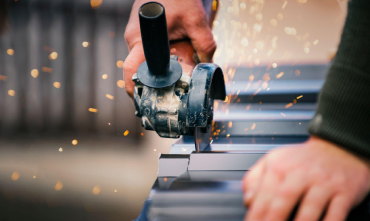
The construction and manufacturing industries are constantly evolving to meet the demand for stronger yet lighter materials. Aluminium fabricators in Dubai play a vital role in this shift, leveraging the unique properties of this metal to create innovative structural designs.
Aluminium is known for its high strength-to-weight ratio, corrosion resistance, and versatility, making it a key material in everything from building facades to aerospace components. The ability to cut down material weight without sacrificing durability has spurred a new era of design possibilities.
Why Aluminium Stands Out
Aluminium’s features make it a preferred choice for lightweight structures. It is incredibly adaptable, allowing fabricators to mold and shape it into intricate designs that cater to diverse structural requirements.
Additionally, its resistance to rust and wear ensures longevity even in challenging environments. Architects and engineers often turn to aluminium when seeking visually striking and functional solutions, as its sleek appearance complements modern architectural trends.
Innovations in Aluminium Fabrication
Advances in fabrication techniques have elevated aluminium’s role in structural design. Precision tools, such as laser cutting and CNC machining, allow for meticulous shaping, while methods like extrusion help achieve complex profiles.
These innovations have opened up pathways for customised designs suited to specific applications. Aluminium fabricators are continually pushing boundaries, creating components that are lighter, stronger, and more efficient to produce.
Applications Across Different Industries
The applications for lightweight aluminium structures are incredibly diverse. Construction projects benefit from its adaptability, as it is used in frameworks, window frames, and cladding.
The transportation sector values aluminium for reducing vehicle weight, which improves fuel efficiency. Aluminium’s role in aerospace and marine industries highlights its ability to perform exceptionally under stringent demands, where weight reduction is critical.
Environmental Benefits of Aluminium
Another significant advantage of aluminium is its sustainability. It is fully recyclable without losing its properties, making it a responsible choice for eco-conscious industries. The recycling process uses only a fraction of the energy required for primary production, contributing to a reduced carbon footprint. This environmental aspect adds immense value to its widespread adoption.
The Future of Lightweight Structural Design
The role of aluminium fabricators continues to grow as industries explore ways to create more efficient structures. By mastering cutting-edge techniques and leveraging aluminium’s properties, these professionals are shaping the future of structural design. From towering skyscrapers to advanced transportation systems, aluminium is set to remain a centerpiece in innovative engineering.